6 Trap Generators Compared
Trap generators produce traps for dungeons and adventure locations on demand. Some output rules-ready stat blocks tuned to a specific edition, some output long-form prose with effects, triggers, and countermeasures spelled out, and some output short flavor seeds that leave the mechanics up to the GM. This article compares six products that cover those approaches across D&D editions, Pathfinder, and Four Against Darkness.
Donjon
Edition-specific trap lists across the d20 family
D&D 5e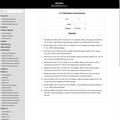
D&D 5.5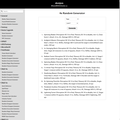
D&D 4e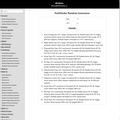
PF 1e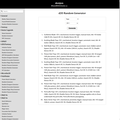
M20
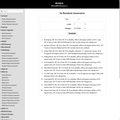
AD&DDonjon publishes seven trap generators that share the same UI but produce stat lines appropriate to each edition. Every variant produces ten traps per click and exposes a level or CR selector; the 5e and 2024 generators add a Danger control with Setback, Dangerous, and Deadly options on top of Any Danger.
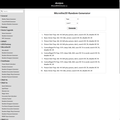
The output format tracks each edition's conventions. The 5e generator prints find DC, disable DC, area, save DC or attack bonus, damage, and a tier and severity tag. The 2024 generator uses the same fields but drops the tier suffix. The Pathfinder 1e and d20 SRD generators print CR, mechanical or magic, trigger type, reset type, Perception or Search DC, and Disable Device DC. The 4e generator counts trap copies in the entry name ("6 x Chain Flail"), prints Perception and Thievery DCs, attack versus AC, Reflex, or Will, and includes an XP value. The AD&D generator is the terse outlier, printing a trap name and damage in parentheses with no DCs.
At low levels the pool of distinct traps is small, so repeats within a batch of ten are common — particularly on the Microlite20 generator, where Camouflaged Pit Trap shows up several times per roll at level 1.
The Thieves Guild
A transparent d100 trap table for 5e
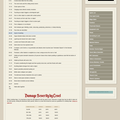
D&D 5eThe Thieves Guild's tool is a d100 roller built on top of a fully visible 100-entry table. Each click highlights one trap description — for example, "Pit opens (swallowing the target) and then quickly locks shut, and then floods with water" — and the underlying table is printed below the roller so a GM can browse the entire range or pick an entry by hand.
Mechanics are deliberately left out of the per-trap entries. The page instead provides a separate Damage Severity by Level chart with Setback, Dangerous, and Deadly columns from 1st through 20th level, so the GM picks damage dice based on the party rather than the trap. The table itself is system-tagged as D&D 5e but the entries are written generically enough to drop into any d20 game.
Kassoon
Long-form prose traps with effect, trigger, and countermeasures
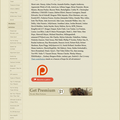
D&D 5eKassoon's generator produces two fully-described traps per click. Each trap has a name, a paragraph of in-fiction setup, and three labeled fields: Effect (area, save DC, damage), Trigger (the specific mechanism — a doorknob turned the wrong way, a gem pried from a statue, a rope pulled), and Countermeasures (Perception or Investigation DC to spot, thieves' tools DC to disarm, plus options like dispel magic for magical traps).
Inputs are Level 1 through 20 and a Severity selector with Nuisance, Deadly, and Lethal options. A seed field and permalink mean a particular pair of traps can be reproduced or shared by URL, which is useful for prep notes that get handed off to a co-DM or pasted into session docs. Generated traps that involve spells link out to Kassoon's own spell pages.
DNDNames
Trap vignettes as plot seeds

D&D 5eDNDNames produces three short prose trap concepts per click with no inputs, no severity controls, and no system tag. Outputs are a single sentence or two and contain no DCs, damage, or save information — for example, "A trip wire causes acid to flood the room from grates on the floor" or "The obsidian floor collapses to reveal a 70-foot pit ending in a cavern filled with boiling water."
The pool also includes entries that read more like encounter or scene prompts than traps proper, such as a room full of mimics or a masked ball populated by doppelgangers. The tool is best treated as flavor inspiration that the GM then has to stat out, rather than a drop-in source of mechanically-resolved traps.
PSJMaps
Traps for Four Against Darkness
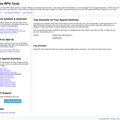
PSJMaps' generator rolls one trap at a time from the Standard Traps Table on page 62 of the Four Against Darkness rulebook. Output is a short prose description that uses 4AD's native mechanics: level-N saves rather than ability DCs, references to the party's marching order (some traps hit the character at the front, others the back), and rule pointers like "potentially receive the limping special rule (see page 62 of the rulebook)."
The Ruleset dropdown currently exposes only the standard table, with the UI suggesting room for supplementary tables in the future. For any system other than Four Against Darkness the output is not directly useful.
RPG Campaign Planner
One-click SRD traps with procedural variations
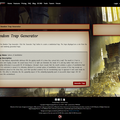
D&D 5eThis generator outputs a single trap per click with no inputs or settings. Each result has a Trap Name and a Trap Description, and the page notes upfront that the pool is a mix of entries drawn straight from the 5E SRD and randomly-generated variations.
SRD-sourced traps come through with their full canonical text — Collapsing Roof, Poisoned Darts, and similar entries arrive as multi-paragraph descriptions that include the mechanical category (mechanical trap, magic trap), spot DC, disable DC, trigger details, target area, save DC, and damage. Procedural variants follow a similar shape but with rerolled specifics like the damage type and DC. Because there's no level or severity input, the GM is responsible for matching a result to the party.
Choosing a Trap Generator
For batches of stat-block-ready traps in a specific edition, Donjon is the broadest option, with separate generators for AD&D, d20 SRD, Microlite20, 4e, Pathfinder 1e, D&D 5e, and the 2024 D&D revision. For 5e traps with full prose, countermeasures, and a shareable permalink, Kassoon goes the furthest on per-trap detail. The Thieves Guild is the right pick for a GM who wants to see the entire trap table laid out on the page and size damage themselves against a separate by-level chart. RPG Campaign Planner suits a GM who wants canonical 5e SRD traps surfaced one at a time, with procedural variants mixed in. DNDNames works as a flavor brainstorming tool when the mechanics aren't the bottleneck. PSJMaps is the only option in this list aimed at Four Against Darkness.