5 Shop Generators Compared
A shop generator builds a place where the party can spend their gold: a magic emporium, a back-alley stall, a wainwright's yard. Some of these tools care most about the wares: they roll an inventory of items, often with prices and rarities, so you know exactly what is for sale. Others care most about the scene: the name over the door, the smell inside, and the person behind the counter. A few try to do both. This page compares the shop generators on ttrpg-tools.net so you can pick one that matches whether you need a priced stock list, ready-to-read flavour, or a shopkeeper to roleplay.
Donjon
System-Specific Magic Shops With Stock Lists
D&D 5e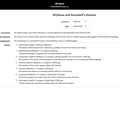
*
AD&D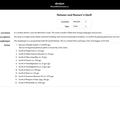
PF 1e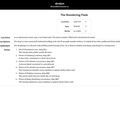
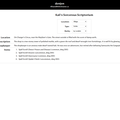
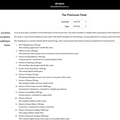
D&D 5.5Donjon runs five magic shop generators, one per ruleset, all built on the same engine. You pick a settlement size and a shop Type (Trader, Armorer, Weaponsmith, Alchemist, Scribe, or Wandwright), and the page returns a named shop with a one-line location, a building description, a shopkeeper, and a numbered list of stock. Changing the Type re-themes the whole shop: an Alchemist comes out as a perfume-and-elixir tower selling potions, a Weaponsmith as a forge selling blades.
The split between editions is in how items are listed. The d20, AD&D, and Pathfinder generators draw from the SRD, the AD&D Dungeon Master's Guide, and Ultimate Equipment, and they print a gold-piece price next to each item. The two D&D 5e generators work differently: they add a Rarity dropdown, scale item rarity to the settlement size, and list each item with its rarity, a sourcebook page reference, and a short invented description, but no price.
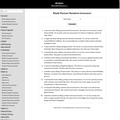
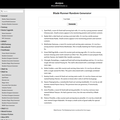
Donjon's three Blade Runner generators are a separate, cyberpunk take on the idea. They share one page with a dropdown, and a Generate button returns a list of ten vendors at once. Each is a single sentence: a Street Shop selling pepper sprays run by a nervous ex-cop, a Food Stall serving suspect tamales, an Animoid Shop dealing in artificial koi. There is no inventory or pricing here; these produce atmosphere and NPC hooks for the Blade Runner RPG instead of a stock list to buy from.
The Thieves Guild
A Configurable D&D 5e Magic Item Shop
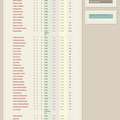
D&D 5eThe Thieves Guild focuses on one job: stocking a D&D 5e magic item shop. The quick mode takes a town size and rolls an inventory, with larger settlements holding more items and a better chance of rare ones. The second mode is the detailed one: you choose an item type, set how many items you want at each rarity tier (Common through Legendary, each labelled with a suggested character level), and adjust the cheap and expensive price multipliers.
Each item is listed with its rarity, whether it needs attunement, a base cost, a cheap and an expensive price, and its weight. The town-size mode shows mostly magic equipment and rarely scrolls or potions; for those you switch to the by-type mode and ask for them directly. By default the tables leave out Legendary items, on the reasoning that those should come from a quest rather than a shelf.
RPG Campaign Planner
A Shop, a Shopkeeper, and a Stat Block
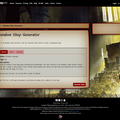
*RPG Campaign Planner generates a whole shop in one click and splits it across three tabs. General gives the shop's name, its type (inn, alehouse, and so on), and a few paragraphs describing the building inside and out. Inventory lists what's for sale with prices in D&D coinage, matched to the shop type: an inn sells food and drink by the copper and silver.
The Owner tab rolls a full NPC for the shopkeeper, which is where this tool reaches further than most: a name, level, a six-ability stat block, a physical description, a religion with deity and alignment, and a secret or quirk. That makes it useful when you want someone to roleplay behind the counter, not just a list of goods. It is built on the D&D 5e SRD and the site notes the tool is still being expanded.
Roll for Fantasy
System-Agnostic Stock With an Editable List
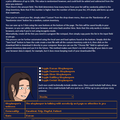
*Roll for Fantasy is built to drop into any system. You pick a shop type from a long list (archery, armoursmith, bombs, gems, poisons, mythical ingredients, and more) and toggle which races the shopkeeper might be. Separate buttons let you re-roll the NPC, the inventory, or everything at once.
The output pairs a drawn shopkeeper portrait with a welcome line, a set of personality traits, and a two-column inventory of themed wares. Prices are plain numbers with no currency attached, which the site explains is deliberate, so the figures fit whatever economy your game uses. Every field is editable, and there is a box for pasting your own item-and-price list to build a custom shop.
ChaosGen
Wagon and Vehicle Vendors in Bulk
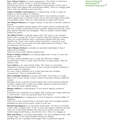
*ChaosGen's Fantasy Wagon Shop covers a niche the others skip: merchants who sell vehicles. A quantity selector lets you generate one, five, ten, or twenty-five at a time, and each result is a short prose paragraph: a named vendor, a line about the owner, a count of carts, wagons, chariots, or boats in stock, and an odd detail like a roadside shrine or a brawling customer.
It is system-agnostic and flavour-only: there are no stat blocks or fixed prices. The bulk option makes it handy for quickly populating a market district or a trade road with distinct vehicle sellers.
Choosing a Shop Generator
If you run D&D or Pathfinder and want a stock list you can sell from, the choice depends on your edition: Donjon's d20, AD&D, and Pathfinder generators give gold-piece prices, while its 5e generators give rarities and page references instead. For 5e specifically, The Thieves Guild offers the most control over what ends up on the shelves, down to per-rarity counts and price spread. If you want the shopkeeper as much as the shop, RPG Campaign Planner rolls a full NPC with a stat block alongside the inventory. For a system you can't find supported elsewhere, Roll for Fantasy's currency-free, fully editable lists adapt to anything, and ChaosGen covers the specific case of vehicle and wagon vendors.