6 Inn & Tavern Generators Compared
An inn or tavern generator builds a ready-to-use watering hole on demand: a name, the staff behind the bar, what's on the menu, who's drinking, and what they're gossiping about. It's the kind of thing a Game Master needs the moment the party wanders somewhere unplanned, when a single "you push open the door" turns into an hour of improvised roleplay. The tools below range from one-line waypoint descriptions to full establishments complete with floorplan maps and stat-blocked patrons, so the right choice depends on how much detail you actually want to drop on the table.
Donjon
A Complete Inn on One Page
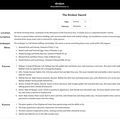
*Donjon's generator produces a whole establishment in a single pass: a location within the town, a physical description of the building, the innkeeper, a numbered menu with prices in copper and silver, a list of patrons, and a few rumors. Two dropdowns shape the result: quality (Poor, Common, or Good) and patron type (Townsfolk or Adventurers). The page regenerates as soon as you change either one.
The output is unusually self-consistent. A description mentioning the inn has become infested with spiders will be echoed by a rumor about a spider swarm gathering in a nearby forest. The patrons are fleshed out well beyond a name: each gets a race, profession, alignment, physical appearance, and a personal motivation, so any one of them can be lifted straight into a scene as an NPC.
It's system-agnostic fantasy with no stat blocks, which keeps it usable at any table but means you'll be improvising mechanics if a patron throws a punch. There are no save or export buttons either; it's a generate-and-copy tool.
The Thieves Guild
The Most Mechanically Complete Tavern
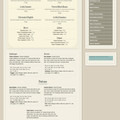
D&D 5eThe Thieves Guild's Tavern & Menu Generator is built specifically for D&D 5e, and it goes further on rules than anything else here. Alongside a prose description of the building's interior, it generates full 5e stat blocks (ability scores, AC, HP, and an attack) for the innkeeper, a server, between three and eight patrons, and, on roughly a 40% chance, an entertainer such as a bard. Each NPC also gets a name, race, class or occupation, and a detailed physical description.
The menu goes similarly deep. It's long and itemized with individual prices, split into food dishes and separate beer, wine, and liquor lists. A "Customize" panel controls the tavern's regional biomes (which determine available ingredients), quality from Poor through Aristocratic, whether the kitchen is carnivore, vegetarian, or mixed, and whether monster meat shows up, which can produce dishes like hell hound meatballs or barbecued succubus, or be switched off entirely.
The trade-off is scope: this is one tavern at a time, tied to 5e's math, and the generator carries a "Beta" label.
A Curated List of Named Taverns and Signs
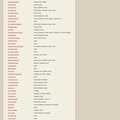
*The Thieves Guild's other entry is a different kind of tool. Instead of assembling a tavern procedurally, it offers a hand-written catalogue of 144 taverns, each with a punny name and tags marking the biomes, settlement types, or character classes it suits: "The Drunken Dryad" is tagged for forests and elves, "The Golden Pickaxe" for mountains and dwarves. A roll button picks one at random, and each entry comes with separate interior and exterior prose descriptions.
Free visitors get the names and descriptions. The custom-designed colour signs (over 240 of them, one per tavern) sit behind a premium subscription, as do other Thieves Guild sections. If you want curated, character-rich names over procedural variety, this complements the menu generator well.
Kassoon
Just the Drinks
D&D 5eKassoon's tool is the narrowest in the set: it generates fantasy beverages, not taverns. Each result is a named drink with a description covering colour, flavour, and aroma, plus an invented effect, anything from a pleasant warmth to mild hallucination. It produces three at a time and a "More!" button keeps adding to the list.
Below the drinks it includes an optional homebrew inebriation rule for D&D 5e: a Constitution save each round with escalating penalties through Tipsy, Drunk, Smashed, and Blackout. It's a flavour-and-mechanics supplement, not a tavern builder, and it's useful paired with one of the fuller generators when you want a memorable house special.
Chaotic Shiny
A Tavern Attribute Sheet

*Chaotic Shiny's generator is text-only and reads like a structured datasheet rather than prose. It rolls a name and then a long column of attributes: overall quality, cleanliness, size, separate pricing, quality, and variety ratings for drinks, food, and rooms, plus room availability, popularity, noise level, crowd character, what percentage of dark corners are occupied, how sober the patrons are, and how many are openly armed.
On top of that it adds atmospheric hooks: a current attraction such as a brawl, a notable patron, the bartender's looks, reaction, and quirk, and a short description of a house special drink. There are no stat blocks and no menu listing, but for quickly setting a tavern's tone and mechanics-light texture it's dense with usable detail. The author also points to an offline "City Builder" pack and an illustrated "Tavern Cards" deck for those who want editing, printing, or a physical version.
Here Be Taverns
Taverns With Floorplan Maps
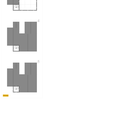
*Here Be Taverns is the most visual option. A single roll produces a scrolling list of taverns, and each card pairs a multi-floor floorplan map (drawn by Watabou) with a name, a one-line atmospheric detail (glowing fungi on the bar, a ceiling only five feet high), a short menu of flavour-described dishes, a handful of NPCs with race, profession, and gender, and three local rumours.
A locale setting (City, Coast, Town, Desert, Forest, Mountains, Plains, or Dungeon) shapes the map style and contents. The "Details" view expands a tavern to show its full floorplans and illustrated character cards with ideals, flaws, and bonds, and a "Save" button collects favourites. It's free with no account required; saving to a collection needs a free account. If you run on a virtual tabletop or just like having a map to share, this is the one that hands you a usable battlemap alongside the fiction.
ChaosGen
One-Line Waypoints in Bulk
*ChaosGen's Quick Fantasy Inn/Tavern lives at the opposite end of the spectrum from Here Be Taverns. Each result is a single sentence or two: a name, the kind of place it is, its typical clientele, what it's known for, and occasionally a patron doing something in the moment: a befuddled minstrel rehearsing, a drunk looking for a fight. A quantity selector generates 1, 5, 10, or 25 at once.
There's no menu, no map, and no NPC stats. The point is breadth: it's for filling a city map with named establishments the party will only ever glance at, or for picking a quick hook when one tavern suddenly matters more than expected.
Choosing an Inn & Tavern Generator
For a complete, self-consistent establishment at any table, Donjon is the most balanced single-click choice. If you play D&D 5e and want statted-up NPCs and a full priced menu, the Thieves Guild's Tavern & Menu Generator goes furthest on rules, while its Taverns & Signs list is better when you just want a memorable, hand-picked name. Here Be Taverns is the pick when you want a floorplan map and illustrated characters to share on a virtual tabletop. Chaotic Shiny suits GMs who think in attributes and atmosphere instead of prose, Kassoon is a focused add-on for inventing the drinks themselves, and ChaosGen is the fastest way to populate a whole town with waypoint taverns. Many GMs end up combining them: a Donjon or Here Be Taverns establishment, seasoned with a Kassoon house special and a ChaosGen name two streets over.