6 Creature Generators Compared
A creature generator builds monsters, beasts, and other living (or unliving) things for your game. Some produce ready-to-run stat blocks you can drop straight into combat; others produce written descriptions, ecologies, or just evocative names meant to spark your own ideas. Knowing which kind you want matters: a generator that spits out hit points and attack bonuses is useless for naming an alien civilization, and a generator that paints a vivid picture of a hybrid beast won't tell you how hard it hits. The tools below span that whole range, from edition-specific stat machines to worldbuilding aids to print-and-play tables.
Donjon
Stat-Blocked Monsters for Microlite20
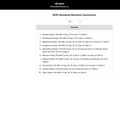
M20Donjon's generator builds monsters for Microlite20, a rules-light derivative of the d20 system. You pick a Hit Dice value from 1 to 20 and it returns ten monsters at once, each with a one-line stat block: Hit Dice, hit points, Armor Class, and one or more attacks with bonuses and damage dice.
The chosen HD scales everything. At 1 HD the creatures sit around 5-7 hit points; at 10 HD they climb to 55-75, and their attack bonuses and damage rise to match. Names are assembled procedurally from an adjective and a creature word, producing things like "Spectral Goblin" or "Iron Wyrm," and some entries carry extra abilities such as energy drain, blood drain, disease, or a breath weapon with a save.
This is one of the few tools here that hands you numbers ready for the table, but they are Microlite20 numbers. Running another system means treating the output as a rough sketch rather than a drop-in block. It is free and needs no account.
Kassoon
Balanced Custom Monsters by Challenge Rating
D&D 5eKassoon's Foe Factory is aimed at D&D 5e and builds custom monsters with their own types, traits, and actions, targeting whatever Challenge Rating or role you specify. It also advertises the ability to create legendary creatures, which sets it apart from the simpler stat generators here.
The full generator sits behind Kassoon's premium tier (about $5/month) and requires a logged-in account, so its complete output can't be exercised without subscribing. Based on the tool's own description, the draw is balanced statistics tuned to a target CR rather than the fixed-template output of free generators, which makes it the option to look at if you want an encounter-ready 5e monster rather than raw inspiration.
RanGen
Worldbuilding Species with Biology
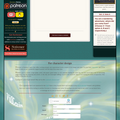
*RanGen's Species Generator is built for worldbuilding rather than combat. Four dropdowns shape the result: Type (Familiar uses recognizable animal traits, Unique uses abstract descriptive ones, Hybrid mixes both), Size (Tiny through Colossal), Form (humanoid, tauric, a specific number of legs, or unusual), and biological Class (mammal, avian, fish, reptile, amphibian, invertebrate, or non-specific).
Each run produces a named species with a detailed Appearance paragraph describing it body part by body part, plus a Stats block covering average height, lifespan, maturity and breeding age, number of young, population status, temperament, and diet. It rounds this off with notes on family life and a couple of general trivia points, such as how much the creature can lift or a quirk of its behavior. Output can be copied, downloaded, or screenshotted from buttons above the result.
Nothing here is system-specific; there are no hit points or attacks. What you get instead is a coherent piece of fictional biology, which makes it the strongest pick when you need a believable creature to populate a setting rather than a foe to fight.
Chaotic Shiny
Hybrid Zoomorphs

*The Zoomorph Generator assembles animal-human and multi-animal hybrids: centaur-like, harpy-like, or stranger composites. You choose how many to generate (1 to 15) and whether each is a Species template or a unique Individual. Each result is a single sentence naming a size and then a body-part-by-body-part composition, such as a creature with the tail of a fox, the legs of a turtle, and the arms of a komodo dragon.
It's description only, with no stats or naming, but it's a fast way to break out of standard monster silhouettes when you want something genuinely chimeric.
Quick Monster Concepts

*Chaotic Shiny's Monsters Generator produces 1 to 15 creatures, each a short paragraph covering size, body type, habitat, hunting behavior, the kind of prey it favors, its attacks, any weakness, and how it groups or lairs. Output reads like "this hulking, slimy, arachnoid beast lives in lush valleys... it attacks with a tail striker, a hypnotic song and necrotic energy."
It carries no game statistics and is system-agnostic, so the attacks and weaknesses are creative prompts you'd need to translate into rules yourself. Compared with the Zoomorph Generator it's less about anatomy and more about behavior and ecology in brief.
Seventh Sanctum
Seventh Sanctum hosts a large family of creature generators that share a common engine: most let you choose how many results to generate, and some add a category toggle. They fall into three rough camps, grouped that way below: full prose profiles, shorter descriptive snippets, and pure name lists.
Full Race and Species Profiles
*
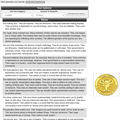
*The Alien Race and Fantasy Race generators are the most substantial. Both offer a detail toggle: Description gives a simple physical sketch, Detail adds a cultural snapshot and "extras," and Complete produces a full profile covering biology, society, government, religion, origin, and the race's place in its world. Alien Race leans science-fiction (homeworlds, gravity, interstellar politics); Fantasy Race leans toward magic, religion, and kingdoms. Either can generate up to ten races at a time.
Mythic and Construct Descriptions

*
*
*
*
*This cluster produces descriptive paragraphs rather than full profiles. The Legendary Creature Generator mashes an animal-like form with a mythic origin ("formed from the skull of Satan," "originated before mankind"). The Golem Generator describes a construct's material, form, and creator. The Kaiju Generator builds giant city-stompers with a signature power, an origin, and a motivation. The Dragon Description Generator focuses purely on anatomy (scales, body, tail, limbs, wings, and head) and is useful as an art or stat-entry reference. The Magical Legend Pony Generator, included here as a lighter entry, describes coat, mane, eyes, personality, and a cutie-mark-style "mark."
Themed Monster Names

*
*
*
*
*
*
*
*
*A large group of these generators output evocative names rather than descriptions, which is worth knowing before you reach for them. The Dragon Breed Generator names dragon breeds in either an Earth-historical or general-fantasy style. The Creature Feature Generator coins B-movie portmanteaus like "Mambarantula" (or full movie titles). The Elemental Monster Generator pairs a real chemical element with a monster type ("Fluorine Ooze"); the Techno-Fantasy Monster Generator does the same with technology words ("Website Vampire"). The Undead, Dark Minion, and Strange Gods generators produce atmospheric names for unliving horrors, Lovecraftian servants, and inscrutable deities respectively. The Alien Race Name and Dog Breed generators round out the set with retro-SF species names and invented dog breeds.
Comedy Creatures

*
*Two generators here are played for laughs. The Humorous Monster Generator produces silly-but-sinister names like "Phantom of the IRS" or "Nightmare Koala." The Evil Animal Minion Generator instead writes one-line battle cries describing absurdly enhanced animals, such as "Release the invisible cyborg sheep!" Both are concept and comedy tools rather than anything you'd stat out, suited to light-hearted games or as palate cleansers.
AwkwardTurtle
Print-and-Play Monsters
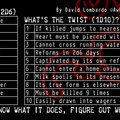
*Wallet Monsters is the outlier: not a web app but a free downloadable PDF, sized to fit on a business card, created for the Pleasure-not-Business Card RPG Jam. You roll on four tables (what the monster is doing, what it feeds on, its bane, and a twist) and combine the results into a creature for fantasy or horror games.
Because it's a physical, offline tool, it works without a screen or connection and suits play that happens away from a device. The trade-off is that everything is rolled and assembled by hand, and the output is a loose concept rather than statistics or detailed prose.
Choosing a Creature Generator
Pick based on what you actually need at the table. If you want numbers ready to fight, Donjon's Microlite20 generator gives free, scaling stat blocks, while Kassoon's Foe Factory targets balanced D&D 5e monsters by Challenge Rating (with legendary options) behind a paid login. If you're building a world rather than an encounter, RanGen's Species Generator is the deepest, supplying coherent biology and ecology, with Seventh Sanctum's Alien Race and Fantasy Race profiles close behind for societies and cultures.
For quick visual or behavioral inspiration, Chaotic Shiny's Zoomorph and Monsters generators and Seventh Sanctum's descriptive set (Legendary Creature, Golem, Kaiju, Dragon Description) give you a paragraph to riff on. When you only need a memorable name, Seventh Sanctum's themed name generators cover a wide span of themes, dragon breeds and cosmic horrors among them, and its comedy generators are there when the table wants a laugh. Finally, Wallet Monsters is the one to print when you'd rather roll dice on a card than open a browser.