11 Character Name Generators Compared
A character name generator produces names on demand, whether for a player who needs one for a new character or for a game master improvising the third shopkeeper of the evening. The useful ones do more than spit out random syllables: they let you steer the result toward a particular fantasy race, real-world culture, genre, or tone, and they hand you enough options to keep going until something fits. The tools below take noticeably different approaches to that job. A few build names procedurally from letter patterns; others roll on fixed tables or databases, reproduce the official tables printed in D&D sourcebooks, or transform a name you already have. They also differ on what the names are for, on how broad each catalogue is, on how much you can configure, and on whether a result can be reproduced later.
Donjon
Fantasy and Cultural Names
*
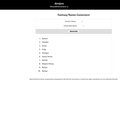
*Donjon's Fantasy Name Generator uses two dropdowns: a category and a sub-type. The category list mixes fantasy staples (Common, Monstrous, Outsider, Fantasy Setting) with several real-world groupings: Ancient World, Medieval Europe, Asia and the Far East, Africa, and the New World. Picking a category swaps the second dropdown to its members, so "Common" offers human, dwarvish, elvish, and halfling names in male, female, and town variants, while "Monstrous" offers things like draconic names. Each click returns ten results, and a note explains that the quasi-historical names are built from patterns derived from real names of a region and period rather than copied from them.
The Markov Name Generator shown above is the configurable outlier in the set. Instead of preset categories, it gives you a large text box pre-filled with a source list of names. It analyses that corpus and produces names that statistically resemble it, so replacing the source list with your own (a list of saints, place names, or invented words) steers the output toward that flavour. It is the most hands-on option Donjon offers and the closest thing here to a build-your-own generator that still requires no syntax to learn.
Setting-Specific Names
*
*
Avatar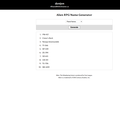
Alien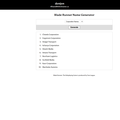
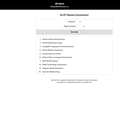
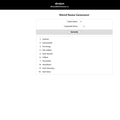
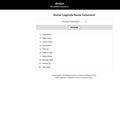
BRThe rest of Donjon's name tools are tied to specific genres and licensed settings, and they generate more than just people. The SciFi generator spans Cyberpunk, Star Trek, Star Wars, Serenity, and a miscellany set, with sub-types for character names, netrunner handles, megacorp names, and locations. The Weird generator is Cthulhu Mythos themed and produces investigator names, "unspeakable" eldritch names, Mythos tome titles, and several ancient-world cultures (Arabic, Aztec, Chinese, Egyptian, Sumerian). The Avatar Legends generator covers the Four Nations plus village names, the Alien RPG generator adds ICC designations, planets, and stars, and the Blade Runner generator includes bars, clubs, and corporations.
All of these share Donjon's plain interface and ten-results-per-click behaviour, and all are free with no account. The trade-off is that they are organised around their settings, so the non-character outputs sit in the same dropdowns as the character ones; you choose the right sub-type rather than getting a generator dedicated solely to PCs.
DNDNames.com
A Generator for Every Ancestry
D&D 5e
D&D 5e
D&D 5e
D&D 5e
D&D 5e
D&D 5e
D&D 5e
D&D 5e
D&D 5e
D&D 5e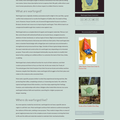
D&D 5e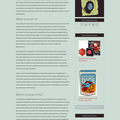
D&D 5e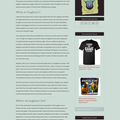
D&D 5e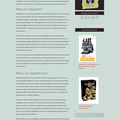
D&D 5e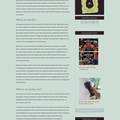
D&D 5e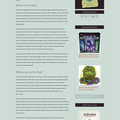
D&D 5e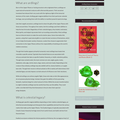
D&D 5e
D&D 5e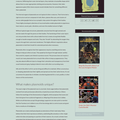
D&D 5e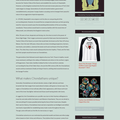
D&D 5e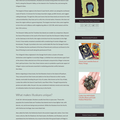
D&D 5e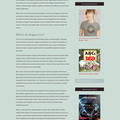
D&D 5e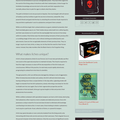
D&D 5e
D&D 5e
D&D 5e
*
*DNDNames takes the opposite approach to Donjon's consolidated dropdowns: it gives almost every option its own dedicated page. The catalogue is the largest covered here, with roughly 150 generators. It includes the full roster of D&D player races, recent and setting-specific ancestries such as Ardling, Autognome, Plasmoid, and Harengon, the Forgotten Realms human ethnicities (Calishite, Chondathan, Illuskan, and others), a long list of monsters (aboleths and vampires among them), and the Daggerheart ancestries. Beyond characters it also has shop, worldbuilding, and weapon name pages, though those fall under other tool types.
Each generator presents ten full first-and-last names as clickable buttons, with a "10 More!" button that loads a fresh set. There are no per-generator options, no gender or length controls, because the page itself is the filter: you go to the half-elf page for half-elf names. That makes it fast to use and unmatched for coverage of obscure ancestries, at the cost of any in-page configuration. The site is ad-supported and free.
The Thieves Guild
Roll 40 D&D Race Names at Once
D&D 5e
D&D 5e
D&D 5e
D&D 5e
D&D 5e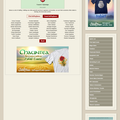
D&D 5e
D&D 5eThe Thieves Guild offers a focused set of D&D 5e race name generators: Drow, Dwarven, Elven, Gnome, Halfling, and Orc. Rather than a handful of names, each page rolls a list of 40 full names at once, presented in three columns, with a Reroll button to replace the whole list and male/female buttons to filter by gender. A single highlighted "ROLL" result sits above the list for when you want just one. A dropdown at the top switches between all the site's generators, which also include treasure, trinkets, and tavern tools.
The Dwarven entry is split into two distinct generators worth distinguishing. The realistic version produces phonetic names in the traditional dwarf mould (Reorx Brurgrock, Caldur Galgurn), while the descriptive version pairs a first name with an alliterative epithet-style surname (Durgim Diamondhilt, Snarri Shadowblade), drawing on what the site describes as over sixteen million combinations. If you want a large slate of options to skim in one go for a specific D&D race, this is the most efficient layout here. It is free to use.
Kassoon
Seeded, Shareable Names
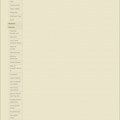
D&D 5eKassoon's Name Generator uses three dropdowns: Gender, Race, and Subrace. The Race list covers the common D&D races plus Monster, Kingdom, Geography, and Shop options, and the third dropdown adapts to the chosen race. When Race is set to Human, the Subrace dropdown turns into a real-world culture picker spanning English, Arabic, Celtic, Chinese, Egyptian, French, German, Greek, Indian, Japanese, Norse, Roman, Slavic, and Spanish styles. Each generation returns five full names with a Reroll link.
Its distinguishing feature is the optional seed. Tick "Use Seed" and the generator produces the same set of names for a given seed value, with a permalink that encodes the gender, race, subrace, and seed in the URL. That makes a specific batch reproducible and shareable, which helps if you want to point a co-GM at exactly the names you saw. The tool is free with text and image ads; a Patreon-backed premium tier removes ads and adds features.
5e.tools
The Official Sourcebook Tables
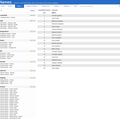
D&D 5eThe names tool on 5e.tools is a different kind of resource. Instead of inventing names procedurally, it reproduces the official D&D name tables from the published rulebooks and supplements, each tagged with its source: Xanathar's Guide to Everything, Mordenkainen's Tome of Foes, and Ghosts of Saltmarsh among them. Names are organised by race and type (male, female, clan, child, family) in a sidebar, and the human section mirrors the book's real-world cultural categories, Arabic and Slavic included.
Selecting a table shows the full d100 list with each name mapped to its die-roll range, and you can roll on it directly. That dual nature, a faithful reference you can also use as a roller, sets it apart from the generators here, which produce names you will not find printed anywhere. If table accuracy or matching published material matters to you, this is the option to reach for. It is free and requires no account.
Seventh Sanctum
Beyond Fantasy: Genre and Theme Names

*
*
*
*
*
*
*
*
*
*
*
*
*
*
*
*
*Seventh Sanctum is the broadest collection by genre rather than by D&D ancestry. Alongside fantasy staples like its elf and dwarf generators, it reaches into territory most of the other tools do not touch: mecha and kaiju names, magical girl and magical knight titles, Lovecraftian horrors, superheroes and villains, wrestlers, western gunslingers, and more. Many of the generators offer a sub-style dropdown (the elf generator, for instance, splits into Full Name, High Elves, and Wild Elves) along with an amount selector that produces up to twenty names at a time.
Output tends to combine an invented first name with a thematic compound surname (Aluhaan Highsting, Artaah Pathfinder) for the fantasy sets, and shifts toward unpronounceable strings for the cosmic-horror ones. This makes it the strongest pick when your game leans away from standard D&D toward anime, pulp, superhero, or weird fiction, though its fantasy-race names are less granular than a dedicated D&D site. It is free, and its generators are credited to their author.
RanGen
Realistic, Region-by-Region Names
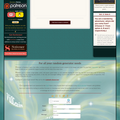
*RanGen's Quick Name Generator is the best fit for modern or realistic characters. It produces a first and last name filtered by gender, including a Unisex option, and by region, with the region menu organised by continent: European styles (English, French, Spanish, Portuguese, German, Russian), American (Canadian, USA, Caribbean, Mexican, Brazilian), Asian (Chinese, Indian, Japanese, Korean), and African (North, East, South, West). The site is candid that gendered names are subjective and that unisex results reflect real-world usage. It is actively maintained, with a version history showing recent updates.
Fantasy Names by Style and Length
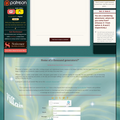
*The companion Fantasy Name Generator covers invented names in regional phonetic styles (Japanese, African, Chinese, English, Celtic, Cyrillic, Nordic, and Indian) plus Random and Mixed. Its standout control is name length: alongside Random small, medium, large, and extra-large settings, you can request an exact character count from 3 to 15. The page is upfront that these names only resemble the language at a glance and may not be pronounceable, and that the generator can occasionally throw out real or unfortunate words. Both RanGen generators include copy-to-clipboard and download options and cross-link to companion character, personality, and archetype tools. They are free.
RinkWorks
Presets and a Custom Template Language
*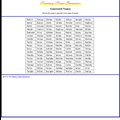
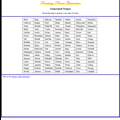
*RinkWorks hosts two interfaces on a single long-standing page. The Simple interface is a dropdown of 32 presets that produce a large grid of single names per click, well over a hundred at a time. The presets fall into several groups: length-based and phonetic styles (short, vowel-heavy, names with apostrophes or dashes), humorous sets (insults, idiot names), culturally inspired ones (Japanese, Chinese, Greek, Hawaiian, Old Latin place names), and several abstract fantasy phoneme variants.
The Advanced interface is where RinkWorks distinguishes itself. It accepts a template string written in a small purpose-built language, where letters stand for syllables, vowels, consonants, and other units, parentheses hold literal text, angle brackets group sequences, and a pipe picks randomly between alternatives. A "Collapse Triples" checkbox smooths out unnatural triple-letter runs. The result is near-total control over the structure of generated names: you design the pattern and it fills it in, which makes it the most flexible tool here for anyone willing to read the instructions. Both interfaces are free.
Chaotic Shiny
Nobles, and Reshaping Names You Already Have

*
*
*
*
*Chaotic Shiny's name tools cover a few angles the others mostly skip. The Noble Generator builds an aristocratic title, a full name, and an optional epithet (such as "Governor Ellamae Tota"), with controls for count, gender, and a real-or-fantasy name type, which is handy for courts and kingdom-building. Its Fantasy and Modern generators are simpler, offering a number-of-names selector and gender filter; the Modern one leans toward contemporary, sometimes double-barrelled surnames.
The Name Jumbler and Name Mixer are the unusual pair. Rather than generating from scratch, they transform input you provide: the Jumbler takes a list of words and recombines their letters into new ones, while the Mixer runs a single name you type through alternate alphabets and random mixes to produce fantasy variants. As the page puts it, you "put in normal names, get out fantasy names." If you have a real name or a few seed words and want variations on them, these transformation tools fill a niche none of the pure generators here cover. Everything is free in the browser, and the site notes an offline pack that bundles editing, printing, and saving.
DnD Campaign Planner
One-Click Fantasy Names
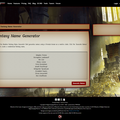
*The Fantasy Name Generator on DnD Campaign Planner is the most pared-down tool in this comparison. It has no options at all: a single Generate Names button produces a batch of ten full fantasy names built with a Markov chain, which the page states directly. There is no gender, race, culture, or length control, and the output is generic fantasy in style.
The simplicity is deliberate: it is a quick grab-a-name utility attached to a larger, subscription-based campaign-management product. The generator itself is free to use without an account. If you want zero configuration and a fast handful of usable fantasy names, it does that one job, but anyone needing to target a specific race, culture, or tone will be better served by the more configurable tools above.
Choosing a Character Name Generator
The right generator depends mostly on what you are naming and how much control you want. If you need canonical D&D names that match the printed books, 5e.tools is the only option here that reproduces the official tables. For the widest coverage of specific ancestries, including unusual and recent ones, DNDNames has a dedicated page for almost everything, while The Thieves Guild is the quickest way to skim 40 names for a common race at once. Kassoon is the pick when you need a result you can reproduce or share later, thanks to its seed and permalink.
Realistic, present-day NPCs with cultural variety are RanGen's strength: its Quick Name Generator, with a continent-organised region list, is the strongest choice here, and its Fantasy generator adds precise length control. When your game sits outside standard fantasy, in science fiction, anime, superhero, or cosmic horror, Donjon's setting-specific generators and Seventh Sanctum's large genre catalogue cover ground the D&D-focused sites do not. For full control over how a name is built, RinkWorks' template language, Donjon's Markov source list, and Chaotic Shiny's Jumbler and Mixer let you shape or transform names rather than just accept what comes out. And if you simply want a fast fantasy name with no decisions to make, DnD Campaign Planner's one-button generator is the least fuss.